
With 61 restaurants in 13 states, Tim McEnery knows about putting others first.
“To have this device in your home that can help save you and your family’s life, is worth its weight in gold.”
Tim McEnery
The Founder and CEO of Cooper’s Hawk Winery & Restaurants employs a full roster of chefs, baristas, servers, sommeliers, and managers. True to Cooper’s Hawk’s core value of caring about people, Tim invests in his team. Many years ago, Tim decided it was important to train his team in CPR and to install an automated external defibrillator (AED) in each of his restaurants to benefit customers should they need it. Then he thought, if he’s putting his customers first, he should also put his family first. So, he purchased a Philips Home AED for his home.
A fateful decision
E.J. Pederson, the Cooper’s Hawk General Manager, explained how it came about.
“We did a full CPR training class. We practiced with an AED. It’s comforting to know that I have that skill. The thought of using it is always a little scary, but the more you prepare for it, the better you’ll feel once a situation arises.”
Fast forward to the fall 2023, and the Cooper’s Hawk team were doing their CPR renewal training. During it, Tim joked,
“I need all of you guys to be able to save my life in case this happens.”
Little did he know, 7 days later, Tim would be faced with saving the life of his fiancée. Tim had just gotten back from a whirlwind trip with his fiancée, Liz Brumm. He says the couple were sitting on the couch in their Chicago-area home watching a scary movie.
A real life scary movie
“I heard this growling, and I thought it was the television, but instead it was Liz, whose head had fallen forward. As I tried to wake her up, that’s when I realized she wasn’t breathing. Her heart had stopped.”
He goes on to explain:
“You could actually see her skin color start to turn a little gray. I did a couple of rescue breaths; you could actually see the color come back into her skin. I started CPR. I was calling 911 and they’re like, ‘do you have an AED? And I’m like, ‘I do.’”
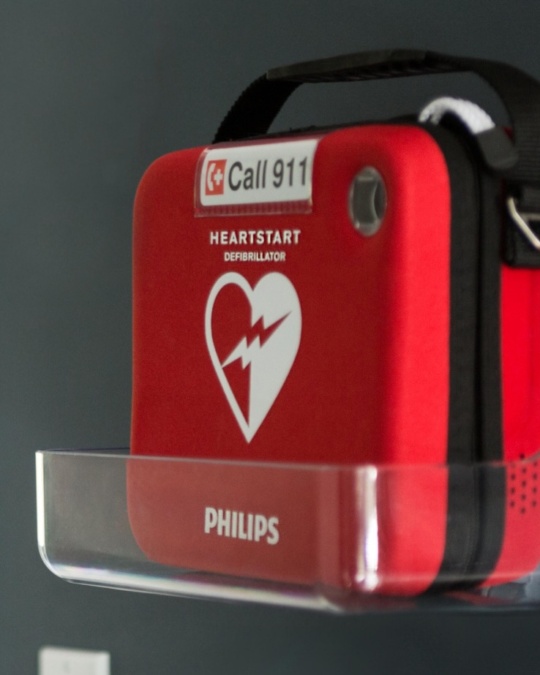
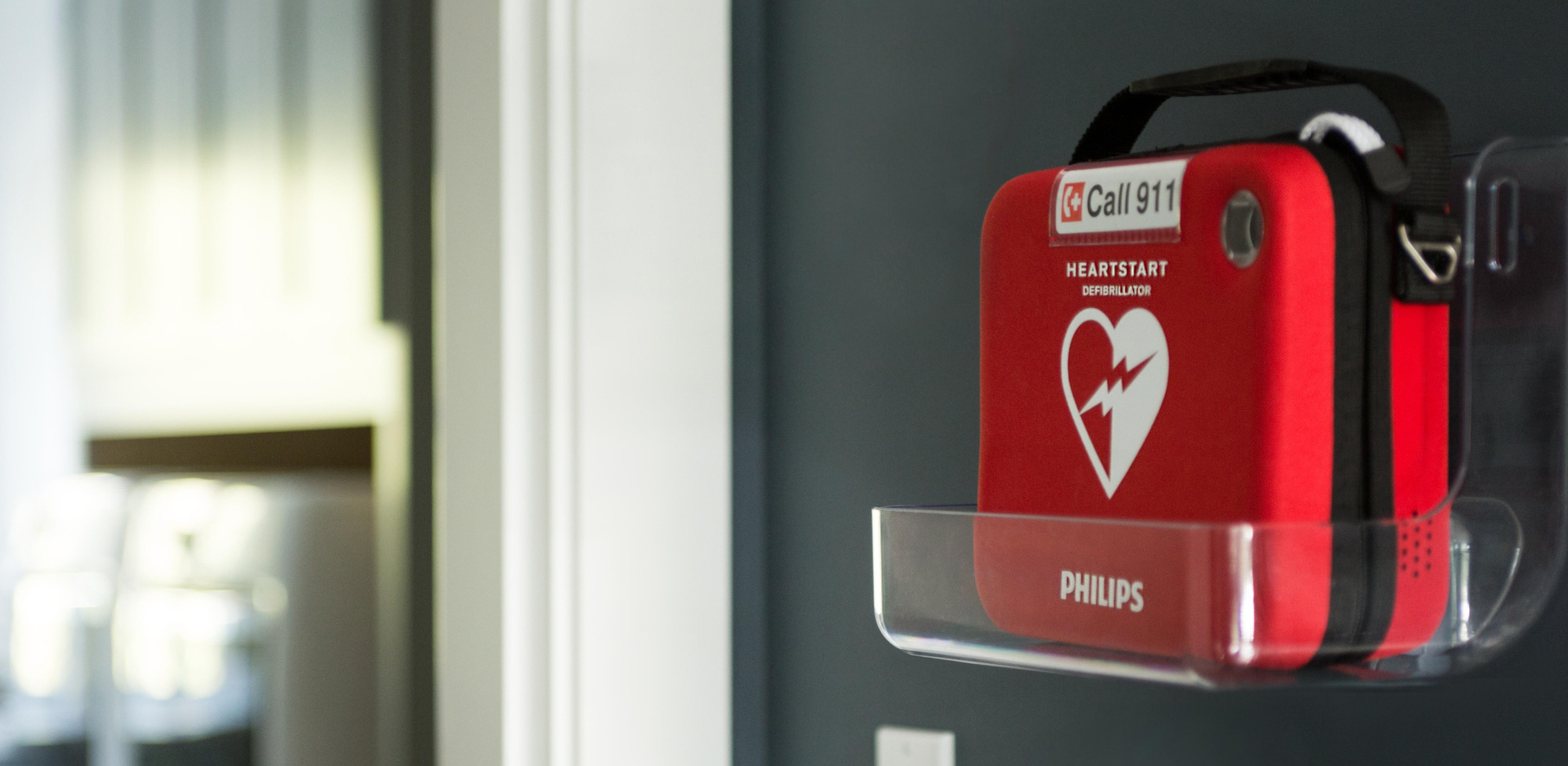
Tim hurried to find their Philips HeartStart Home AED.
“It couldn’t be easier. It just tells you exactly what to do. So, put the pads on and continue CPR. And it says, ‘recommend shock,’ and boom.”
After the third shock, Tim says the paramedics arrived and took over.
Help when every second counts
Of the HeartStart AED, he says,
“You are using a device that you’ve never even used before. If I had to pull out the instructions for something … you cannot read in a moment like that. The simplicity of it is really important; that’s for sure.”
The HeartStart Home is the first AED available without a prescription. Designed for at home use, set up is easy and CPR guidance features voice prompts and step-by-step help. Tim reflects,
“We bought the Philips AED for the home, but I never thought I would have to use it. If something ever did happen in our home, I’d never be able to forgive myself because I didn’t have the device that we needed. So, I’ve had the AED in our home for about 10 years.”
One of the lucky 10%
Tim recalls the conversation he had at the hospital.
“The doctor said 40% of people that enter this place in the situation you’re in need permanent care for the rest of their life. Forty percent of people don’t make it. And 10 to 20% of people get up and walk out of here.”
“It’s good to be the 10% that walked out,” Liz says. “I don’t remember any of it. We learned that I have an arrhythmia, which happens to run in my family.”
She explains that she was fitted with a pacemaker defibrillator while in the hospital. If she has another arrhythmia, the pacemaker will help her heart keep the right rhythm, and if her heart does stop, the internal defibrillator will shock it back into beating.
“It’s just such a reminder of the unpredictability of life. It’s human nature to think it’s not going to happen to you, and It’s going to happen to someone else.”
Liz advises, “every single person should have an AED in their home.”
Tim nods his head in agreement and shares,
“If we didn’t have the AED, I’d be sitting here by myself. To have this device in your home that can save you and your family’s life, is worth its weight in gold.”