
Prof Richard Lyon, Associate Medical Director
Philips IntelliSpace Corsium is a web-based software platform. With the ability to capture rich levels of on-scene clinical and patient data, IntelliSpace Corsium allows Tempus ALS users to quickly share data and collaborate.
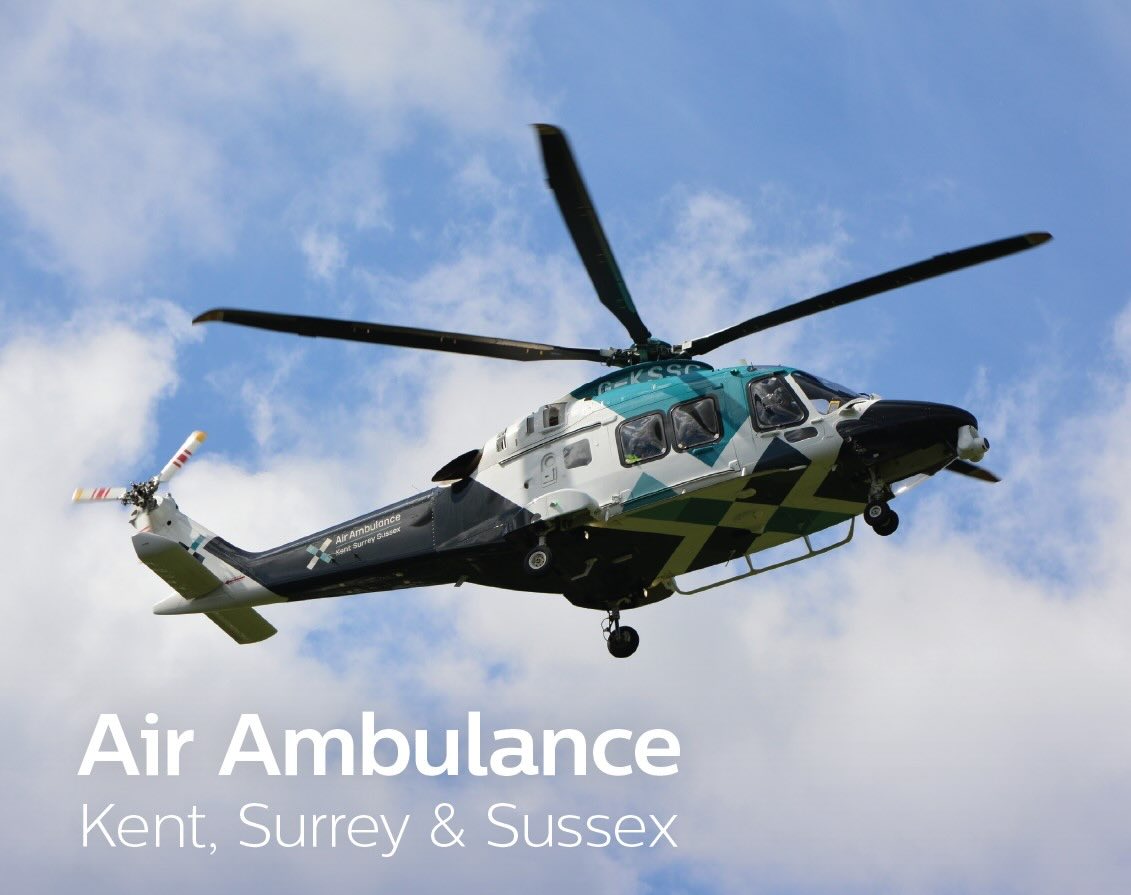
To date, IntelliSpace Corsium has been used in approximately 50 cases with the air ambulance, including both critical medical and trauma patients. We have found IntelliSpace Corsium transmission from the Tempus monitor to be possible for the duration of missions, including when flying at 1000ft altitude in the air ambulance helicopter. We have used IntelliSpace Corsium for both Air Ambulance Ken, Surrey, and Sussex (AAKSS) top cover consultants and hospital receiving teams to give real time scene advice, alter clinical care and prepare for arrival at hospital. The following real-life cases demonstrate some of the breadth of IntelliSpace Corsium use to date.
Signal drop-out has been observed in some remote areas known to have poor mobile phone reception and during periods of over-flying certain regions. In general, these drop outs have been short-lived (<60 seconds), before full data transmission resumes. All consultants have found using IntelliSpace Corsium very straight forward and intuitive, on both computers and mobile devices.

Case 1
A 60-year-old man fell from scaffolding. He sustained a critical head injury with low GCS. He also had some external signs of a right-sided chest injury but clinical assessment was that there was no pneumothorax. The Helicopter EMS (HEMS) crew on-scene telephoned the AAKSS top cover consultant to discuss the need for pre-hospital anaesthesia. Following the call, the top cover consultants ‘watched’ the anaesthetic on IntelliSpace Corsium. The consultant was able to confirm the exact moment endotracheal intubation occurred, as the EtCO2 trace appeared. A few minutes later the consultant noticed the oxygen saturation drop to low/mid 90s. The top cover consultant was highly suspected the patient had a life-threatening tension pneumothorax, based on the information seen in real-time on IntelliSpace Corsium. As the crew on scene was in the process of moving the patient, they may not have noticed the acute change in physiology. The top cover consultant called the crew and recommended a thoracostomy procedure be performed, if they felt it was clinically indicated. The crew had not immediately noted the change in oxygen saturation and agreed that a life-threatening pneumothorax had developed post anaesthesia, which was successfully treated.
“Without IntelliSpace Corsium, undoubtedly there would have been a delay in recognition and treatment of this condition, potentially with adverse patient consequences.”
Prof Richard Lyon, Associate Medical Director
Case 2
An AAKSS top cover consultant took a call from a HEMS crew seeking advice about a child who had been hit by a car. Physiology is known to be very different in children than adults. There was concern that the child might be suffering internal bleeding, and there was a query as to whether blood products needed to be given.
Rather than just being given a single set of observations during a telephone conversation, the consultant used the ‘trend’ function on IntelliSpace Corsium to remotely assess the child’s physiology and felt this had not changed significantly. Based on this information, the child did not receive a pre-hospital blood product transfusion, which can involve significant risk of transfusion reaction or over-transfusion.
Case 3
A 49-year-old man suffered an out-of-hospital cardiac arrest of suspected cardiac origin. HEMS attended, and resuscitation was continued using a mechanical CPR device. The decision was made to transport the patient by helicopter to King’s College Hospital, London, for potential Extra Corporeal Life Support (ECMO).
The decision to commence ECMO is significant, not least because of the significant costs of the ECMO consumables. The King’s team were able to ‘follow’ the patient’s physiology during the air transfer, particularly observing the EtCO2 trace and value. Based on the information provided by IntelliSpace Corsium, the King’s team made the decision in advance of the patient’s arrival that he would be an ECMO candidate. This saved valuable time in clinical-decision making as, under normal circumstances, the decision to commence ECMO is not made until the patient arrives in hospital. Therefore, using IntelliSpace Corsium helped get the patient ‘on pump’ faster.
Case 4
The AAKSS top cover consultant followed a case live, having been notified of HEMS crew activation. A 75-year old male had fallen down the stairs and required a pre-hospital anaesthetic for an isolated severe traumatic brain injury. Using both the trends provided by IntelliSpace Corsium and the live streamed data, the consultant was able to tailor the anaesthetic drug regimen to better suit the patient’s current physiological state.
As there is strong evidence that any drop in blood pressure for a patient with a traumatic brain injury can adversely affect patient outcome, the tailoring of the anaesthetic to reduce the risk of any pre-hospital hypotension likely contributed to a positive patient outcome.
Case 5
A patient was stabbed in the chest, resulting in a wound to the right ventricle of the heart and acute pericardial tamponade. The patient was in a peri-arrest state on arrival of the HEMS team. A decision was made to anaesthetise the patient and perform a resuscitative thoracotomy procedure to release the tamponade and close the hole in the heart. Multiple users were able to access IntelliSpace Corsium to support the crew on scene. The receiving hospital team was able to ‘follow’ the patient throughout their flight to hospital in order to prepare for their arrival. As the patient was noted to be very stable after the thoracotomy, the receiving surgical team were reassured enough via IntelliSpace Corsium that further life-saving interventions or immediate operation was not indicated. Against normal protocol, the patient was therefore transferred to the Intensive Care Unit for further non-operative stabilisation.
“The use of IntelliSpace Corsium allowed more tailored patient care and significant support to the duty HEMS crew in a highly challenging case.”
Prof Richard Lyon, Associate Medical Director