How an air ambulance critical care team saved a young cyclist’s life
When 14-year-old Joe set out from his home in Surrey, UK, the plan was to spend a relaxing evening cycling with a friend. However, as he was cycling along the roadside, he was involved in a collision with a car moving at 60mph.

“I don’t really remember anything from the day. I was on my bike, and it was quite late at night and a car came off and hit me from behind. The next thing I knew I was in hospital.” said Joe.
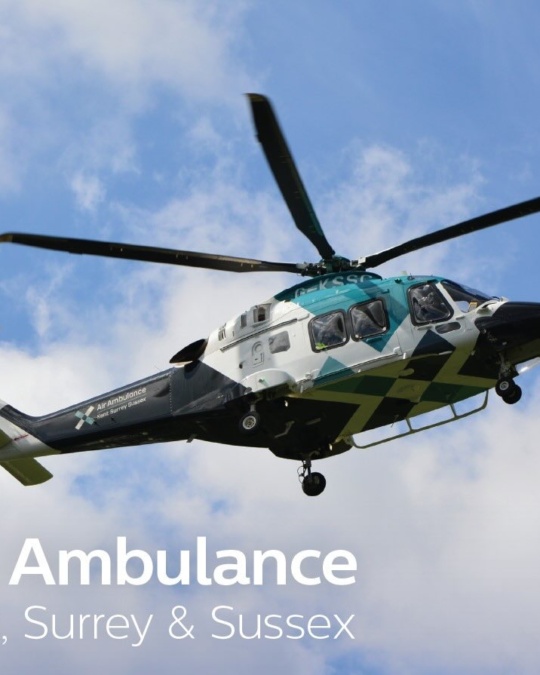
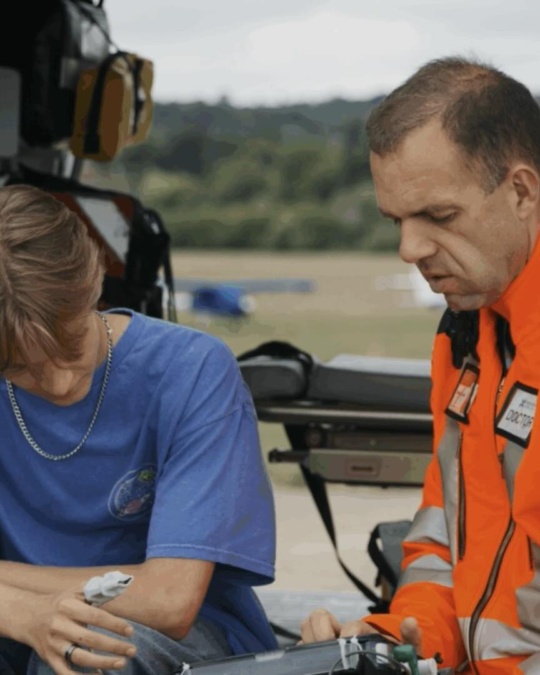
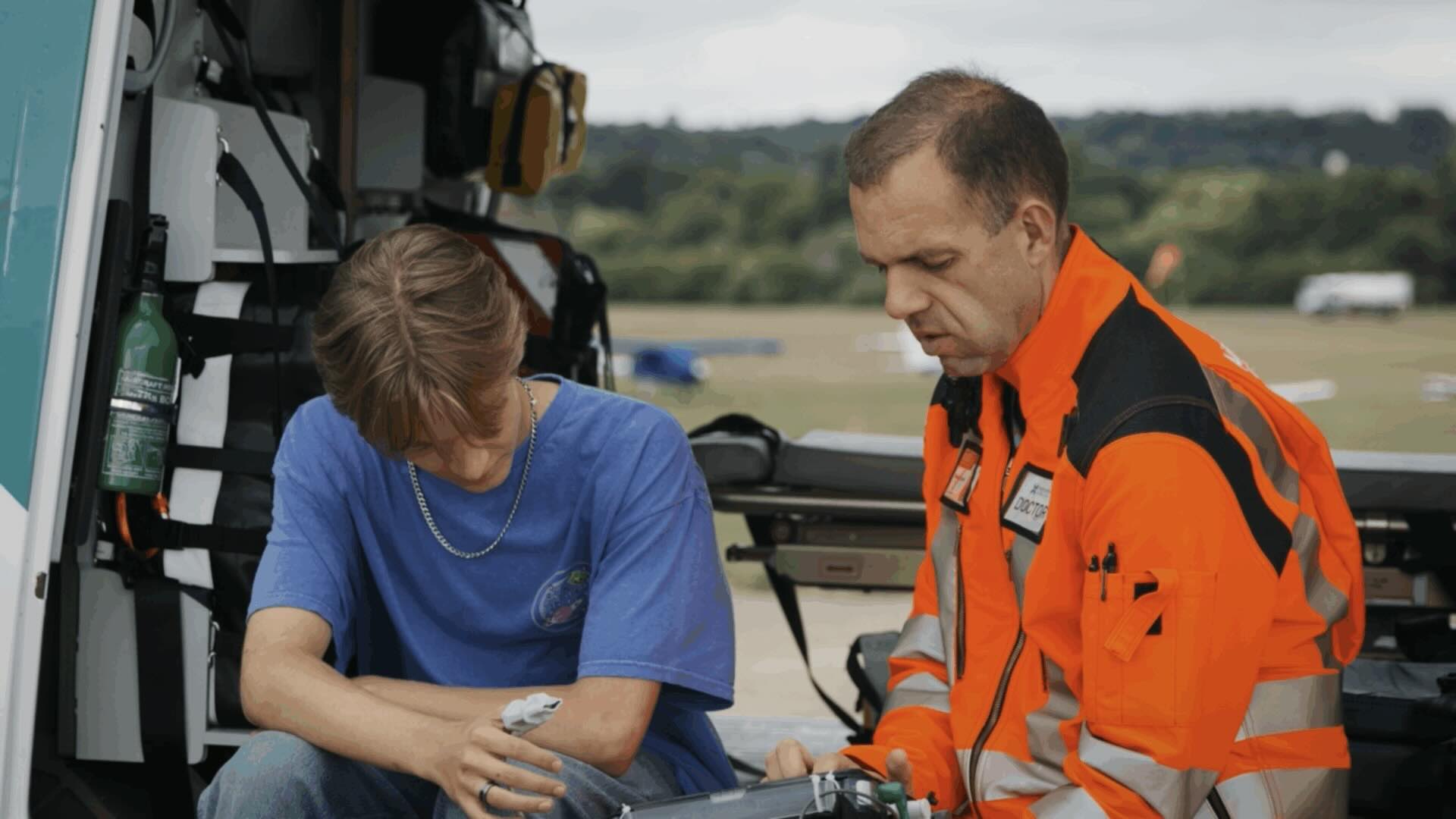
Arriving on the scene was Professor Richard Lyon, Associate Medical Director, Air Ambulance Kent, Surrey and Sussex Trust. At this point Joe was fighting for his life, with Richard assessing that he was the “most unwell child” he had ever seen who was still alive after an accident. “I was really struck by the severity of his injuries,” he said.
Life or death decision-making
Joe’s condition meant that every second was vital as critical emergency care decisions had to be made on scene, or he would be unlikely to survive his injuries. Richard and the team gave Joe a blood transfusion and put him into a medically induced coma at the roadside before rushing to hospital. These types of swift, life-saving decisions are informed by high quality clinical data. “Without reliable monitoring technology like Tempus, we just would not be able to deliver the advanced level care we do on the air ambulance,” said Richard. “We need the Tempus to be able to deliver blood transfusions, anesthesia, and these critical lifesaving procedures. Without Tempus, patients like Joe would not be able to survive.”

“Without reliable monitoring technology like Tempus, we just would not be able to deliver the advanced level care we do on the air ambulance.”
Joe’s mum, Samantha, had no doubts about how important those first few decisions were in saving her son’s life. “When I first saw Joe, I did not think he was going to make it. I knew that every second was critical.” Joe’s Dad, Darren, was present by the roadside to witness Joe’s treatment by the paramedic team. “What they did on the spot, I have no doubt saved his life,” he said. “It seemed like forever, but they were obviously doing vital treatments with the equipment they had to put him in the best position to get him to hospital.”

“What they did on the spot, I have no doubt saved his life.”
Darren, Samantha and Joe know first-hand how important the work of the critical care team is, as well as the vital role technology plays in helping the team save people lives. “I’m just really grateful that they saved me and now I can enjoy my life and move on,” said Joe.